How do you decide when to lean into a trend—and when to stay neutral?
Design is one of the easiest places for fix-and-flip projects to impact ROI.
Trends are tempting. Neutral feels safe. But profitable design decisions don’t come from aesthetics—they come from strategy. The real question isn’t whether to go trendy or timeless. It’s how to decide what level of design a specific project actually requires.
Start With the Exit
Before picking finishes, get clear on the exit.
Rental properties don’t justify high-design choices. Custom elements, bold colors, and trend-forward finishes rarely increase rents enough to earn their keep. Durability, ease of maintenance, and broad appeal win almost every time.
Resale-focused projects allow more flexibility—but only when design aligns with the market and buyer expectations.
Let Location Set the Design Ceiling
Neighborhood context matters more than any single trend.
One of our recent success stories is a perfect example of when exceptional interior design was a smart investment. The mid-century modern home was in a highly desirable neighborhood in Prairie Village, where thoughtful, elevated design can make a huge difference in optimizing sale price. That project leaned into sophisticated aesthetics, custom and handcrafted elements, and strong attention to detail. In that setting, a higher level of design wasn’t a risk—it was essential. Take a look at that project here.
That same approach, applied elsewhere, could easily become an over-improvement.

Design Is Relative to What You’re Competing Against
Design decisions should never be made in isolation.
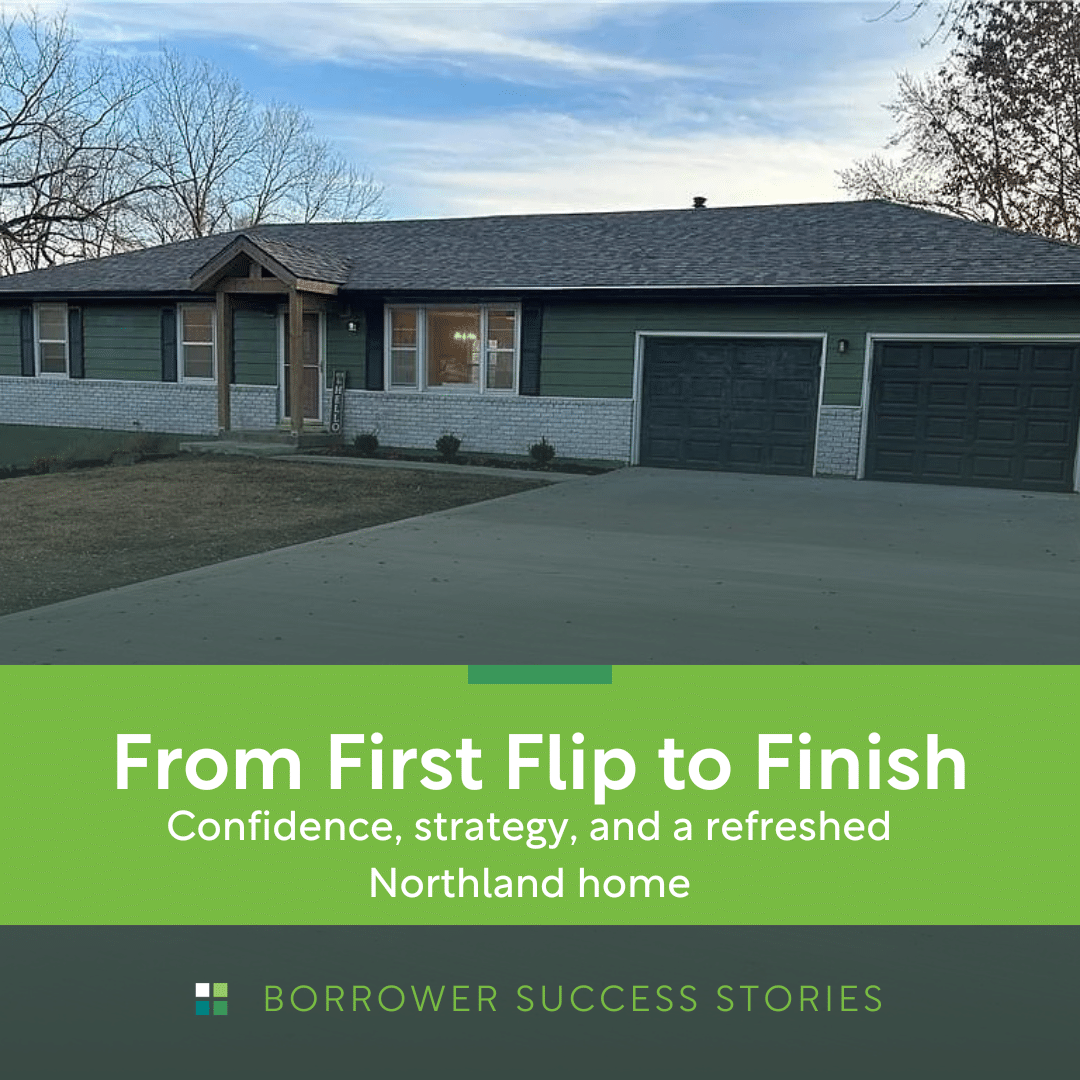
Another recent success came in a Northland neighborhood filled with new construction homes—most finished with builder-grade materials. The strategy wasn’t to out-luxury the market, but to step just above it. Upgraded finishes, better material choices, and a cohesive aesthetic created clear differentiation without overspending. The home felt more thoughtful and higher quality, helping it perform quickly and over asking price with multiple offers.
You don’t need to be the most expensive house on the block—you need to be the most compelling option.
Using Trends (Like Magnolia Green) With Intention
Trends can be effective when used thoughtfully.
Exterior colors like Magnolia green made popular by Chip and Joanna Gaines can add character, improve curb appeal, and create a strong first impression. The key is understanding how visible, permanent, and market-specific that choice is. Exterior trends tend to carry more weight than interior accents, which makes context even more important.On a recent project at Lake Lotawana that sold in less than a month on the market, using Magnolia green on the exterior proved to be a strong fit for the setting, an example of how the right design choice, in the right context, can quietly elevate a property and set it apart.

A Simple Decision Framework
-
Does this color fit the architectural style?
-
Does it complement neighboring homes—or clash?
-
Will it feel current for multiple years?
-
Does it attract attention for the right reasons?
Used intentionally, trend-forward choices can elevate a project. Used without context, they can narrow the buyer pool.
If risk goes up without a clear path to return, it’s probably the wrong move.
Bottom Line
Great fix-and-flip design isn’t about following or avoiding trends—it’s about alignment.
When design aligns with exit strategy, location, and competition, it accelerates outcomes. When it doesn’t, it quietly erodes them.
Design for the market. Design for the exit. And remember: the goal isn’t to impress—it’s to perform.
If you’re thinking through design decisions on an upcoming project, we’re always happy to be a sounding board. Reach out to our team or submit a loan application to get the conversation started.
Related News & Insights
From First Flip to Finished Success in the Northland